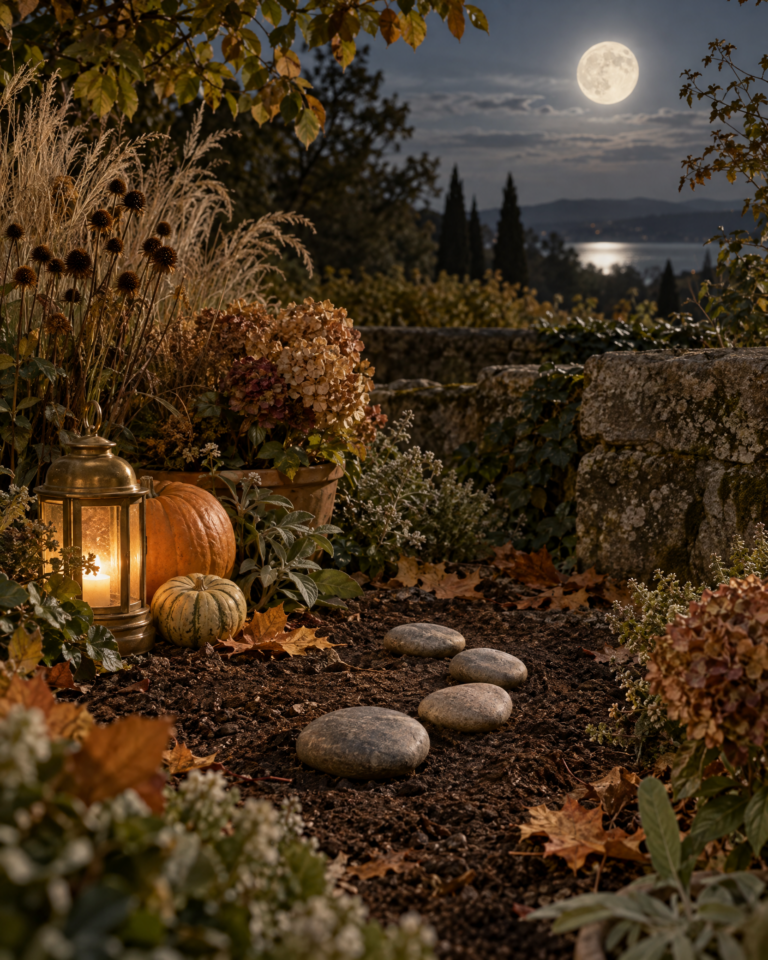
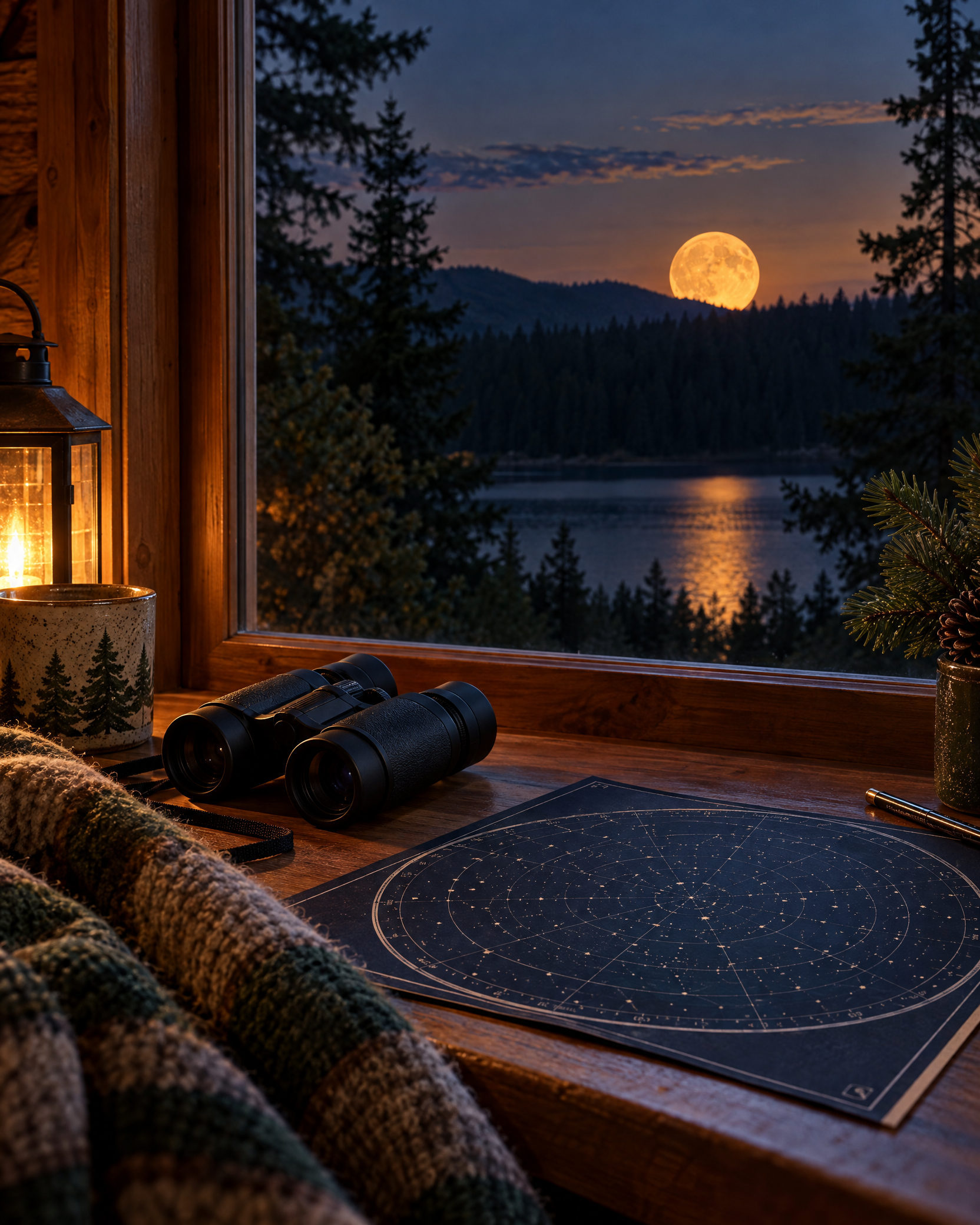
The October Hunter’s Moon reaches peak illumination at about 12:11 a.m. Eastern time on Monday, October 26, 2026. That means Sunday evening, October 25, is an excellent time to watch it rise. The Moon will look nearly full on Saturday and Monday nights, too.
This full Moon is in Taurus while the Sun travels through Scorpio. You can enjoy the sky event as astronomy, explore the folklore behind its name, or use it as a seasonal pause. You do not need to choose only one way to appreciate it.
Why it is called the Hunter’s Moon
The name comes from the bright autumn Moon that followed the Harvest Moon. After crops were gathered, the extra light helped people prepare for winter and, traditionally, supported hunting during the season.
Moon names come from different cultural traditions and regional calendars. They are useful pieces of folklore, but they are not scientific explanations for how the Moon works. The Moon is full when it sits opposite the Sun from Earth and its sunlit side faces us.
When and where to look
On Sunday evening, find a place with a clear view toward the eastern horizon. The Moon rises around sunset, so a low hill, open field, lakeshore, or unobstructed neighborhood view can work well.
Peak fullness happens later in the night, but you do not need to wait for the exact minute. To your eyes, the Moon looks full for about a day on either side of peak.
Weather matters more than astrology. Check your local forecast and a reliable moonrise calculator before heading outside. The U.S. Naval Observatory provides rise-and-set data by location.
How to make the view more memorable
Let your eyes adjust
Give yourself five to ten minutes away from bright screens and porch lights. The sky will feel deeper, and you may notice more stars around the Moon.
Use simple equipment
You do not need a telescope. Binoculars can reveal the Moon’s craters and maria, the darker plains created by ancient volcanic activity. Keep the binoculars steady against a railing or use a tripod adapter if you have one.
Notice the horizon illusion
The Moon often looks unusually large when it is near the horizon. This is an optical illusion, not a sudden change in the Moon’s size. Trees, buildings, and hills give your brain a sense of scale.
Take a wide photograph
A phone in night mode can capture the Moon above a landscape. Include a tree, roofline, or person-sized object for context. If you photograph only the bright Moon, it may look like a small white dot.
The Taurus and Scorpio seasonal axis
Astrology gives this Full Moon a Taurus placement while the Sun is in Scorpio. In traditional symbolism, Taurus relates to personal resources, the body, comfort, and what we build slowly. Scorpio relates to shared resources, trust, and the deeper changes that happen beneath the surface.
Treat those themes as reflection prompts, not predictions. Ask yourself:
- What has become more dependable in my life?
- Where do I need a clearer agreement about shared time or money?
- What comfort genuinely restores me?
- What am I ready to prepare for before winter?
A gentle seasonal check-in
After you watch the Moon rise, write down three things you want to keep tending. They might be a habit, a relationship, a creative project, or a practical part of your home.
Then choose one small preparation step. Put a date on the calendar, check a budget, repair something, or ask a direct question. Seasonal reflection becomes useful when it leads to care in ordinary life.
Keep the night safe and accessible
Watch from a safe location, bring a warm layer, and avoid walking near traffic or uneven ground in the dark. If clouds block the view, you have not missed your only chance. The Moon remains bright and nearly full across several nights.
You can also enjoy the event from a window, share a live astronomy broadcast, or read about the Moon’s surface. Curiosity does not require perfect weather.
Look up, then come back to earth
The Hunter’s Moon is both a sky event and a seasonal marker. It invites you to notice the changing light, prepare with intention, and remember that steady progress often happens quietly.
Step outside if you can. Look east. Let the Moon give you a few minutes of perspective, then bring that perspective back to one practical choice.
Sources: Farmers’ Almanac: Hunter’s Moon 2026 and U.S. Naval Observatory rise and set data.
Kyle the Oracle is the founder of Another Mystic Monday — an astrology and spiritual wellness blog. With over a decade of study in Western astrology, Vedic astrology, and tarot, Kyle brings warmth, depth, and a touch of magic to every post.