

Welcome, mystical seekers and curious souls! I’m Kyle the Oracle, your friendly guide through the enchanted world of tarot. Whether you’re just beginning to shuffle your first deck or have been dabbling in the cards for a while, tarot can be a deep well of insight, intuition, and fun. But it can also feel a bit overwhelming when you’re faced with all the symbolism, spreads, and mysterious terms. That’s why today, I’m diving into the six most common tarot questions I receive, answering them with warmth, clarity, and practical tips you can start using right away.
If you’re ready to unlock the secrets of your deck and tap into that cosmic wisdom, settle in with your favorite cup of tea and let’s embark on this magical journey together!
1. How Do I Start Reading Tarot?
Starting your tarot journey is like opening a door to a vast universe of symbolism, storytelling, and intuition. But where do you begin? Here’s a gentle roadmap:
- Choose Your Deck Wisely: Your first deck should resonate with you. Whether it’s the classic Rider-Waite, a modern artistic deck, or something deeply thematic, trust your gut. The deck that “calls” you will inspire your connection.
- Get to Know Your Cards: Spend time simply looking at each card. Observe the images, colors, symbols, and feelings they evoke. Don’t rush to memorize meanings — instead, start building a personal relationship with the cards.
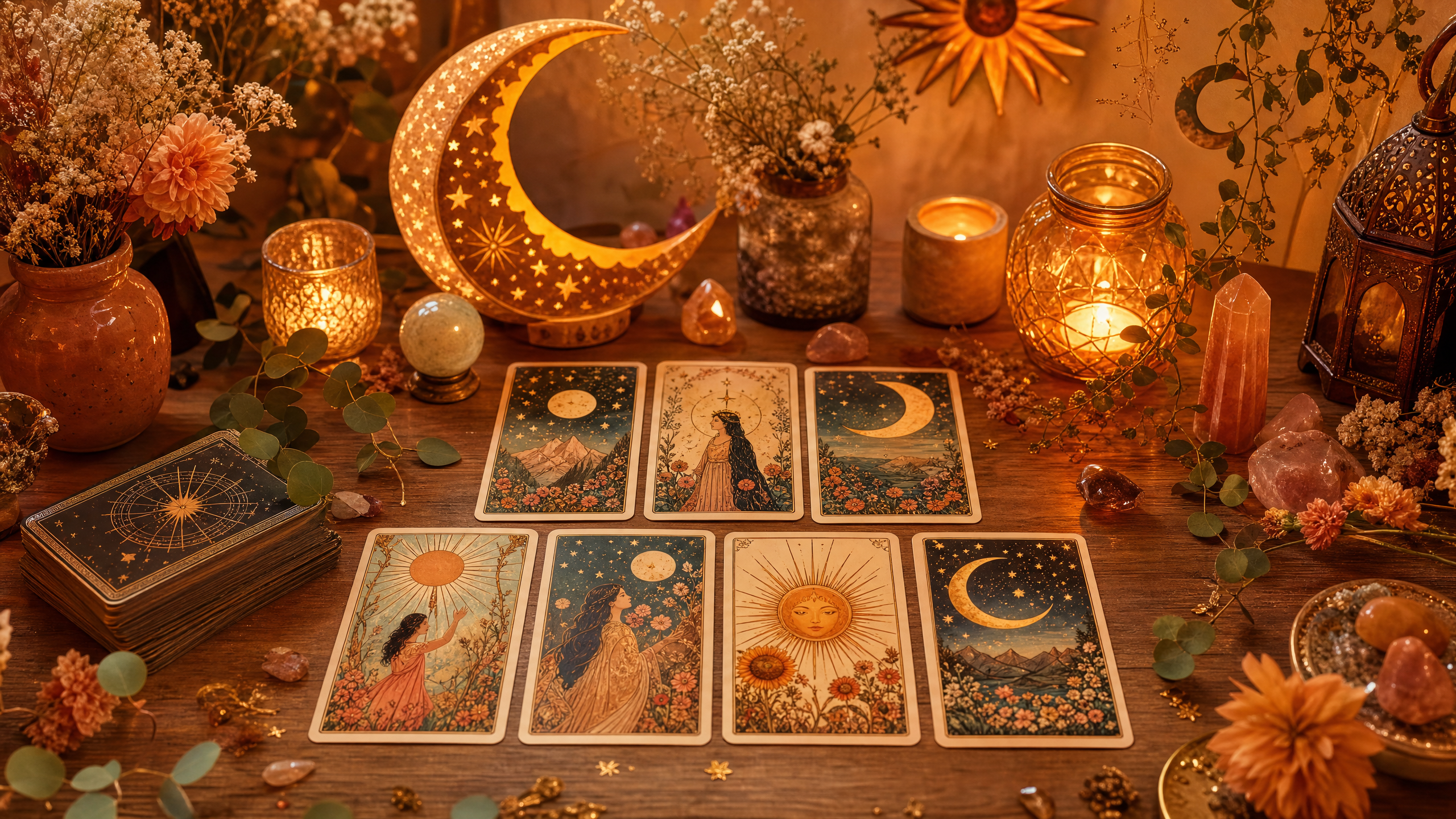
- Start with Simple Spreads: The three-card spread (past, present, future) is a wonderful beginner-friendly layout. It’s straightforward and gives you a taste of narrative flow without overwhelming you.
- Keep a Tarot Journal: Write down your draws, impressions, and any thoughts or feelings that arise. Over time, you’ll see patterns and deepen your understanding.
- Practice Regularly: Even pulling one card a day can heighten your familiarity and intuition. Consistency is a secret ingredient in becoming a confident reader.
For a deeper dive into reading your deck, I recommend checking out Tarot Cards and Intuition: A Journey into the Jungian Perspective. It’s an empowering read that beautifully bridges psychology and mysticism.
2. What Do the Major and Minor Arcana Mean?
Understanding the structure of the tarot deck is crucial, and it’s elegantly divided into two main sections: the Major Arcana and the Minor Arcana. Each tells a different part of the story.
The Major Arcana: The Spiritual Roadmap
The Major Arcana consists of 22 cards, numbered 0 through 21, starting with The Fool and ending with The World. These cards represent significant life themes, spiritual lessons, and archetypal energies. When a Major Arcana card appears in your reading, it often signals a major turning point, revelation, or deeper insight.
For example, The Magician is about manifestation and personal power, while Death signifies transformation and rebirth — literally the death of an old phase and the birth of something new.
The Minor Arcana: The Everyday Tapestry
The Minor Arcana contains 56 cards divided into four suits: Cups (emotions), Pentacles (material world), Swords (thoughts/challenges), and Wands (creativity/action). Each suit has cards numbered one (Ace) through ten, plus four court cards: Page, Knight, Queen, and King.
These cards focus on the day-to-day experiences, challenges, and joys we encounter. They paint the intricate details of the life story that the Major Arcana’s broader strokes outline.
By weaving together the messages from both Major and Minor Arcana, your readings become rich tapestries of guidance — both cosmic and practical.
3. How Can I Do a Reading for Myself?
Reading tarot for yourself can feel a bit intimidating at first. After all, how do you stay objective when you’re intimately connected to the question or situation? Here are some tips to make self-readings insightful and empowering:
- Create Sacred Space: Before you start, cleanse your area (more on cleansing your deck below), light a candle or incense, and set a clear intention. This helps signal to your subconscious that it’s time to tune in.
- Ask Clear, Open-Ended Questions: Instead of asking “Will I get that job?” try “What can I do to improve my chances at the job I desire?” or “What do I need to know about my career path right now?” These types of questions open the door for guidance rather than yes/no answers.
- Shuffle with Focus: As you shuffle, concentrate on your question or situation. Feel free to shuffle until you sense the deck is “ready.” Trust your intuition here — there’s no right or wrong shuffle count.
- Use Simple Spreads: Beginners can start with a single card or three-card spread to keep things digestible. You can expand to more complex layouts as you grow more confident.
- Interpret Gently: When interpreting cards, think about how their symbols relate to your question, emotions, and intuition. Avoid harsh or rigid interpretations; tarot is a mirror, not a judge.
- Journal Your Insights: Record your readings and revisit them later. Patterns often emerge over time that can surprise you.
For a step-by-step approach, you might enjoy A Beginner’s Guide to Reading Your Birth Chart — while focused on astrology, it shares principles on how to approach self-reflection tools that work beautifully for tarot readings too.
4. How Do I Cleanse My Tarot Deck?
Your tarot deck is a sacred tool, and like any beloved instrument, it benefits from regular cleansing to clear away old energies and refresh its connection to you. Here are some popular and effective methods:
- Smudging: Pass your deck through the smoke of sage, palo santo, or incense. This ancient practice helps purify negative or stagnant energy.
- Moonlight Bath: Leave your deck under the light of a full moon overnight. The lunar energy recharges and cleanses your cards with gentle cosmic power.
- Crystal Charging: Place your deck atop a cluster of clear quartz or amethyst crystals for several hours. Crystals absorb and amplify positive vibrations.
- Sound Clearing: Ring a bell, use a singing bowl, or play tuning forks near your deck. Sound waves can break up and disperse unwanted energies.
- Intentional Touch: Hold your deck and visualize a cleansing light flowing through the cards, washing away old energies and filling them with clarity and love.
One important tip: Always cleanse your deck when you first get it, after heavy or emotional readings, or whenever it feels “off.” Think of it like resetting the energetic canvas for fresh, clear insights.
5. What Do Reversed Cards Mean?
Ah, reversals — one of the tarot’s most intriguing aspects! When you pull a card upside down (reversed), it can add nuance, challenge, or even a fresh perspective to its upright meaning. But what exactly does it mean?
- Blocked or Delayed Energy: A reversed card may indicate that the energy or lesson of that card is blocked, delayed, or not fully expressed.
- Internal or Subtle Influences: Sometimes the reversed card points to inner struggles rather than external events — feelings or thoughts beneath the surface.
- Opposite or Shadow Aspect: The card might be cautioning you about the shadow side of its upright meaning, such as pride instead of confidence or confusion instead of clarity.
- Call for Reflection: It invites you to pause, look deeper, and consider what might be holding you back or needing attention.
Not all readers use reversals, and that’s okay! If you find reversals confusing or distracting, you can choose to read all cards upright and focus on the surrounding cards and your intuitive feeling. Either way, trust your personal style — tarot is your dialogue with the universe, after all.
6. How Can I Develop My Intuition for Tarot?
Intuition is the secret sauce of tarot reading. It’s what transforms rote memorization into a rich, soulful conversation with your cards. Cultivating this sixth sense takes time and practice, but here are some practical tips to get you started:
- Meditate Regularly: Quiet your mind and tune inward. Even five minutes a day of mindful breathing can sharpen your intuitive faculties.
- Practice Free Association: When looking at a card, note the first thoughts, emotions, or images that come to mind—don’t censor yourself! These spontaneous impressions are the whispers of your intuition.
- Work with Your Deck Daily: Draw a card each morning, journal your impressions, and see how its energy plays out during your day.
- Use Oracle or Intuitive Cards: Alongside tarot, oracle decks or intuitive card sets with simple images can help you trust your gut reactions without relying solely on memorized meanings.
- Engage in Creative Activities: Painting, writing, dancing, or any creative flow can loosen mental blocks and strengthen your connection to your inner voice.
- Trust Your First Impressions: The very first thought or feeling you have about a card is often the most truthful. Don’t overthink it—embrace the mystery.
If you want to explore the connection between intuition and cards more deeply, see my post on Tarot Cards and Intuition: A Journey into the Jungian Perspective. It’s a fascinating look at how our psyche and these mystical tools intertwine.
Frequently Asked Questions
Can I use tarot without any prior magical or psychic experience?
Absolutely! Tarot is accessible to everyone, regardless of background. It’s a tool that enhances your natural intuition and self-reflection. You don’t need to be psychic or have magical training to benefit; just an open heart and a willingness to learn go a long way.
How often should I cleanse my tarot deck?
There’s no set rule, but many readers cleanse their decks when first acquiring them, after particularly intense readings, or once a month as a routine practice. Trust your feeling — if your deck feels “heavy” or the messages become fuzzy, it’s a good time to cleanse.
What if I get negative or scary cards during a reading?
Tarot reflects energies and possibilities, not fixed doom. Negative cards often serve as warnings, invitations to grow, or signals to address something in your life. Remember, the cards empower you to make conscious choices, not trap you in fate.
Should I learn the card meanings by heart?
Memorizing basic meanings can be helpful, but don’t stress over it. Your intuition and personal impressions are just as important. Use guidebooks as a reference, but let your own insights and feelings lead your interpretations.
Conclusion
Tarot is a magical dance between you, the cards, and the universe — a playful yet profound way to explore your inner world and receive guidance. Whether you’re just starting out or looking to deepen your practice, remember to be patient and kind with yourself. The cards are friends, not tests.
By understanding the basics like the Major and Minor Arcana, learning how to read for yourself, clearing your deck’s energy, interpreting reversals, and nurturing your intuition, you’re well on your way to becoming a confident, inspired reader. Keep practicing, journaling, and trusting those first whispers of insight. The cosmos is eager to chat with you!
For those hungry for more mystical wisdom, don’t miss our Astrology Q&A: Answers to Your Most Common Cosmic Questions — because the stars and cards together light the path to your soul’s true magic.
Disclaimer: The content on Another Mystic Monday is intended for entertainment and inspirational purposes only. Astrology, tarot, and spiritual practices discussed here are not a substitute for professional medical, psychological, financial, or legal advice. Always consult a qualified professional for matters affecting your health, finances, or wellbeing.

Kyle the Oracle is the founder of Another Mystic Monday — an astrology and spiritual wellness blog. With over a decade of study in Western astrology, Vedic astrology, and tarot, Kyle brings warmth, depth, and a touch of magic to every post.